For Florida homeowners, the sight of trees draped in moss is common, but is it okay for moss to grow on trees? Moss is not always a problem. However, heavy buildup can damage trees or signal underlying health issues. Learn when removal is necessary, how to remove moss from trees, and what preventive measures can minimize growth.
Moss causes several issues that make removal necessary to preserve the trees’ health. Here are the most common effects of moss growth on trees:
Moss and lichen are often mistaken for each other because they can look so similar on tree surfaces. Lichen is a combination of fungus and algae that grows on the surface of trees without feeding off them. Like moss, it is generally not harmful on its own but tends to show up on trees that are already weakened or growing in damp, shaded conditions. If you notice either one spreading across your trees, hire an arborist to take a closer look.
Moss can be removed in the following ways:
That said, it’s easy to make mistakes that do more harm than good during moss removal. For example, cutting the wrong branches can damage the tree and put it under even more stress. Climbing up a tree for manual removal can be risky, especially if you don’t have the proper equipment or skill.
You can avoid all these problems by working with tree care experts to evaluate your trees’ condition, identify the cause of moss growth and choose the appropriate, safe treatment method.
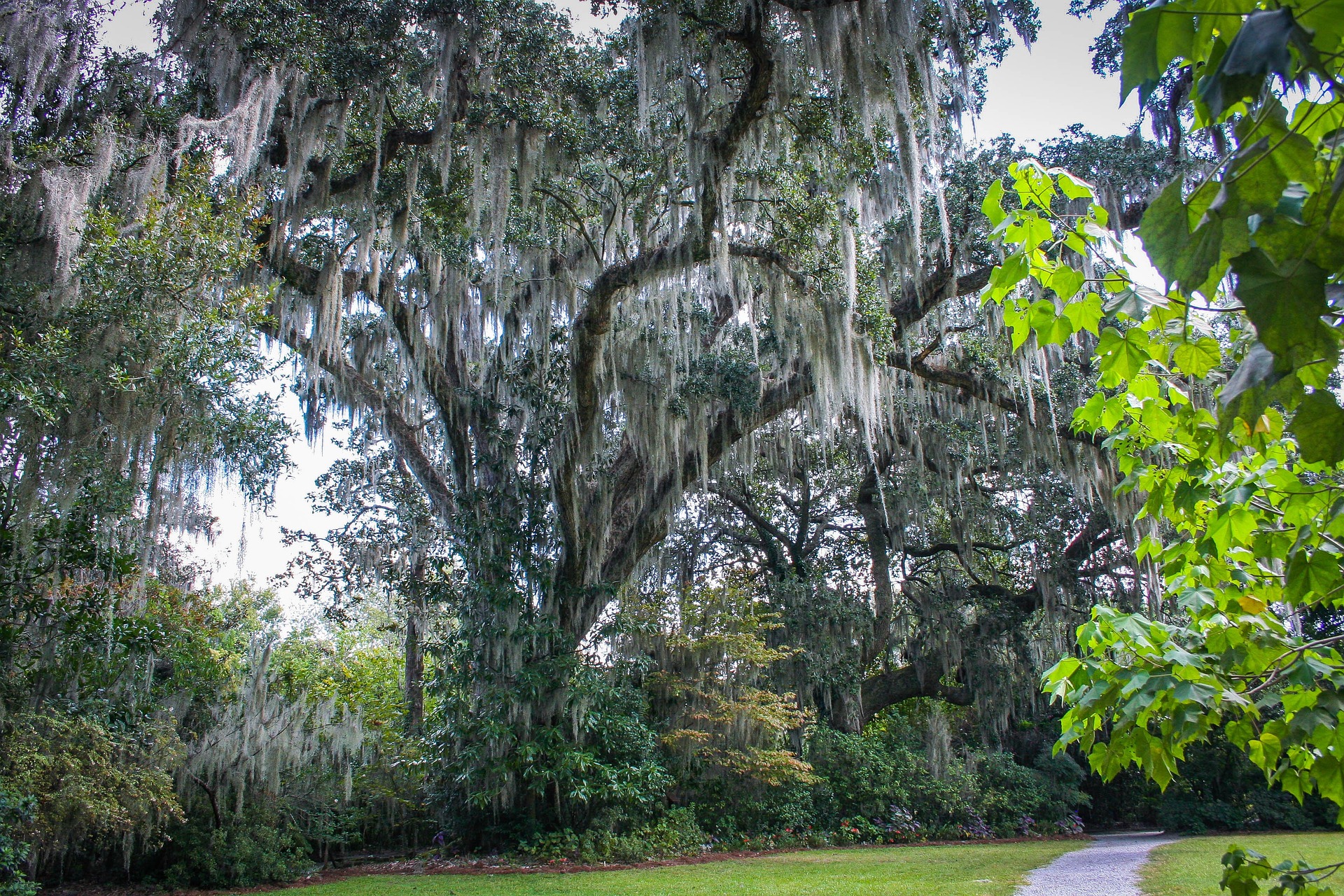
How often moss needs to be removed depends on where your trees are, how quickly the moss is growing and the overall health of the tree. Trees in shady or moist areas tend to develop moss faster and are more likely to need removal annually to prevent heavy buildup. Trees in sunnier spots with good airflow usually grow moss more slowly and may only need occasional removal.
You must also keep an eye on the tree itself. If moss is spreading across the foliage or you notice signs of fungal growth where moss is concentrated, it is time to act, regardless of when the last removal was done. The best approach is to inspect your trees regularly and address moss growth before it becomes a bigger problem. If you are not sure what to look for, consult an arborist, and they’ll recommend a removal schedule based on your trees’ specific needs.
Moss thrives in shaded, damp conditions with poor air circulation, so prevention comes down to reducing those conditions as much as possible.
If you have extensive moss growth on your trees, call Brown’s Tree Service for professional Spanish moss and ball moss removal. Our team has the training and equipment to safely remove moss while assessing your tree’s overall condition. Call us at 941-756-8733 or request a free estimate today.